Building a Community of Practice for Coral Reef Conservation
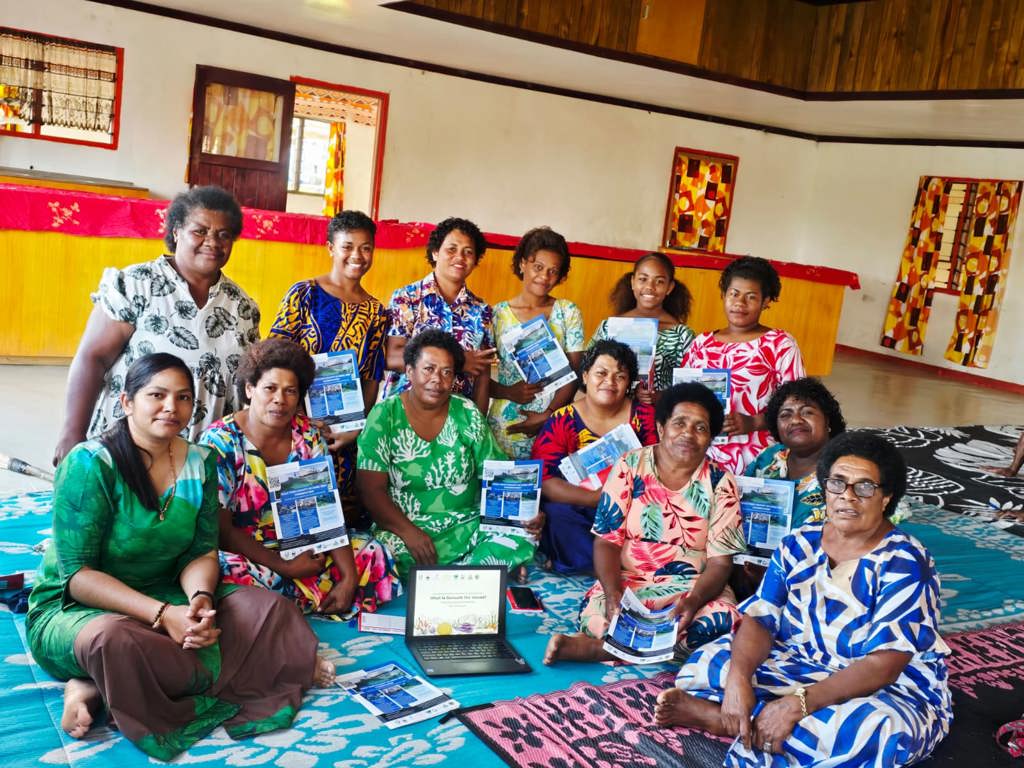
As part of the GEF Coral Reef Rescue (CRR) project, the Wildlife Conservation Society (WCS) Fiji visited communities in Bua and Nadi District in Fiji's Northern Division, to establish a community of practice focused on protecting coral reefs and the livelihoods that depend on them.
Coral reef conservation awareness sessions were delivered using a community learning guide "What's Beneath the Waves?", developed by The University of Queensland (UQ). The resource raises awareness of coral reef ecosystems, the threats they face, and their importance to people and nature.
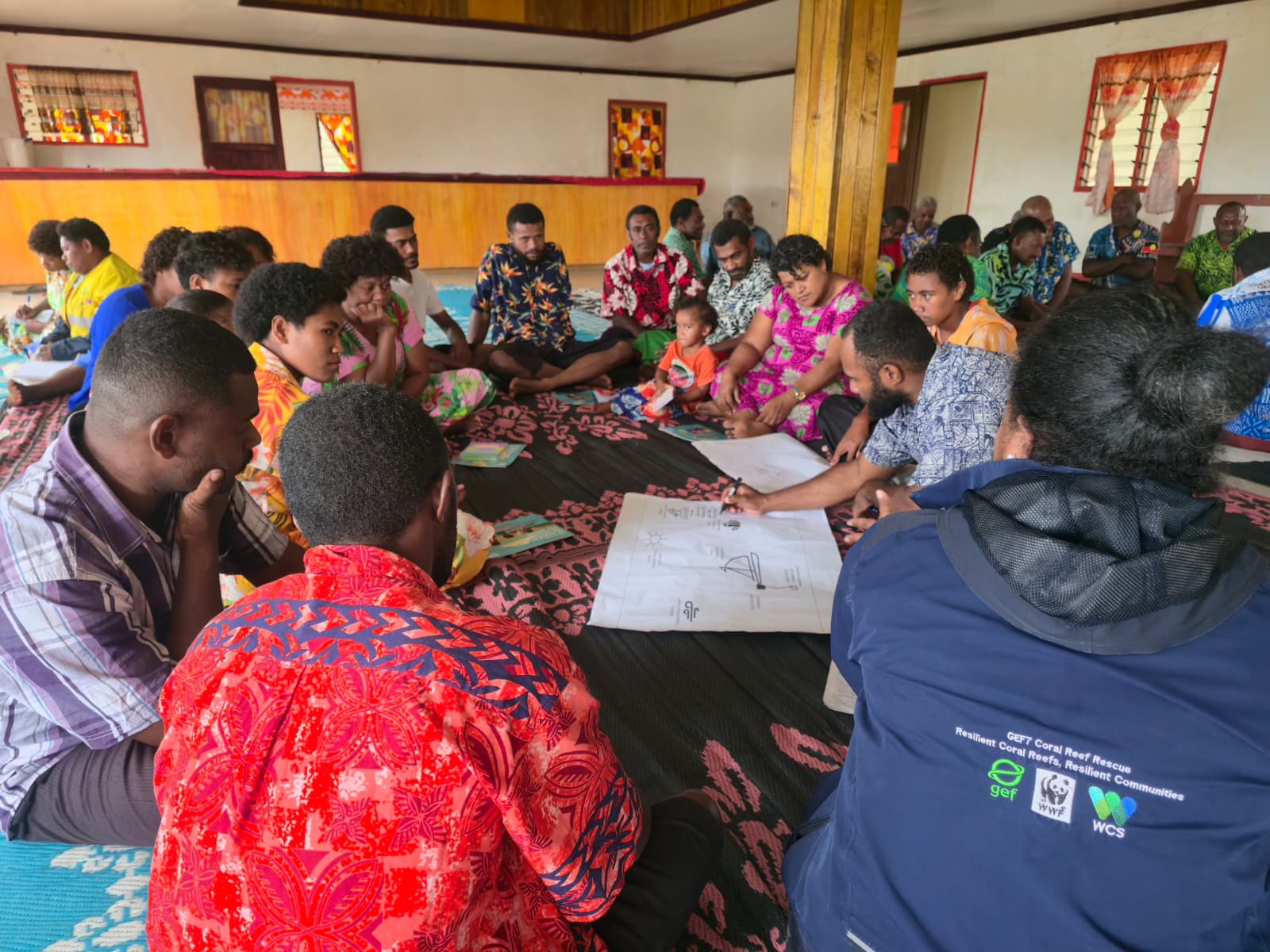
The presentation guided discussions on reef health and was well received by participants, helping them reflect on their role as stewards of the marine ecosystem. To support gender inclusiveness and more open communication, participants were divided into men's and women's groups.
Communities Reflect on Reef Importance
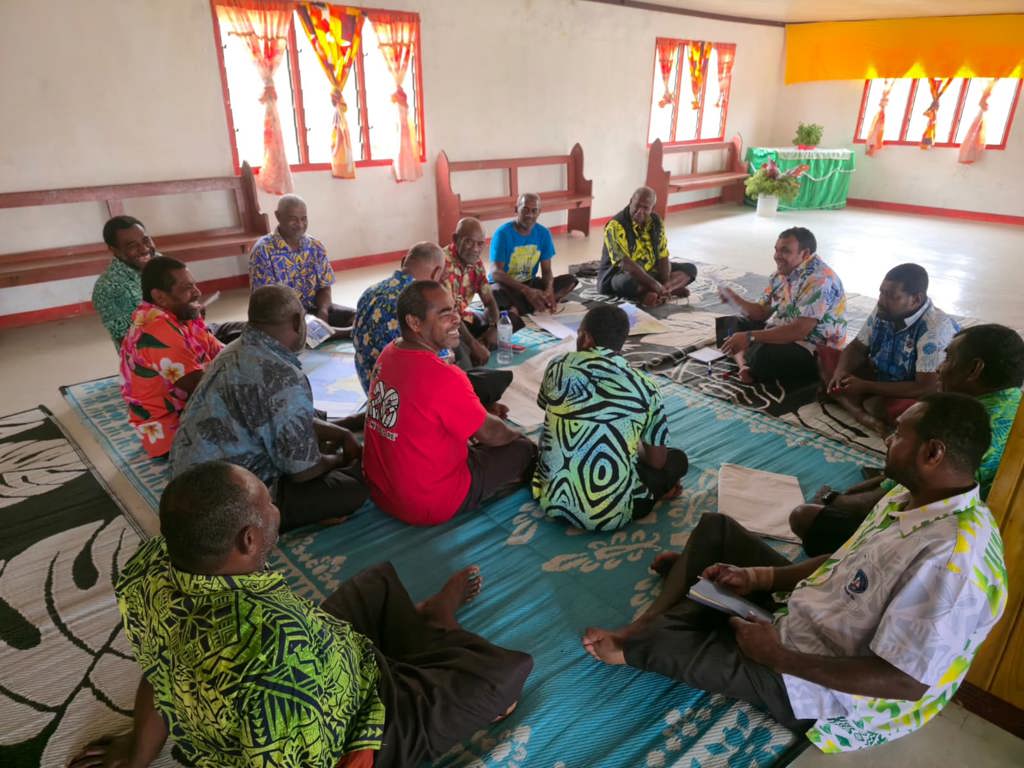
For many participants, the reef is central to everyday life. Communities shared that the sea and its coral reefs remain their main source of food and livelihood, supporting fishing, income, and food security for their families. Understanding the significance of healthy reefs broadened perspectives on conservation, not just as an environmental issue, but as something directly tied to wellbeing and the future.
Participants were encouraged to carry the learning from the session back to their households and villages, sharing what they had learned with family members, fellow fishers, and community groups who could not attend, so that knowledge continues to spread beyond the workshop itself.
Communities Engaged and Learning
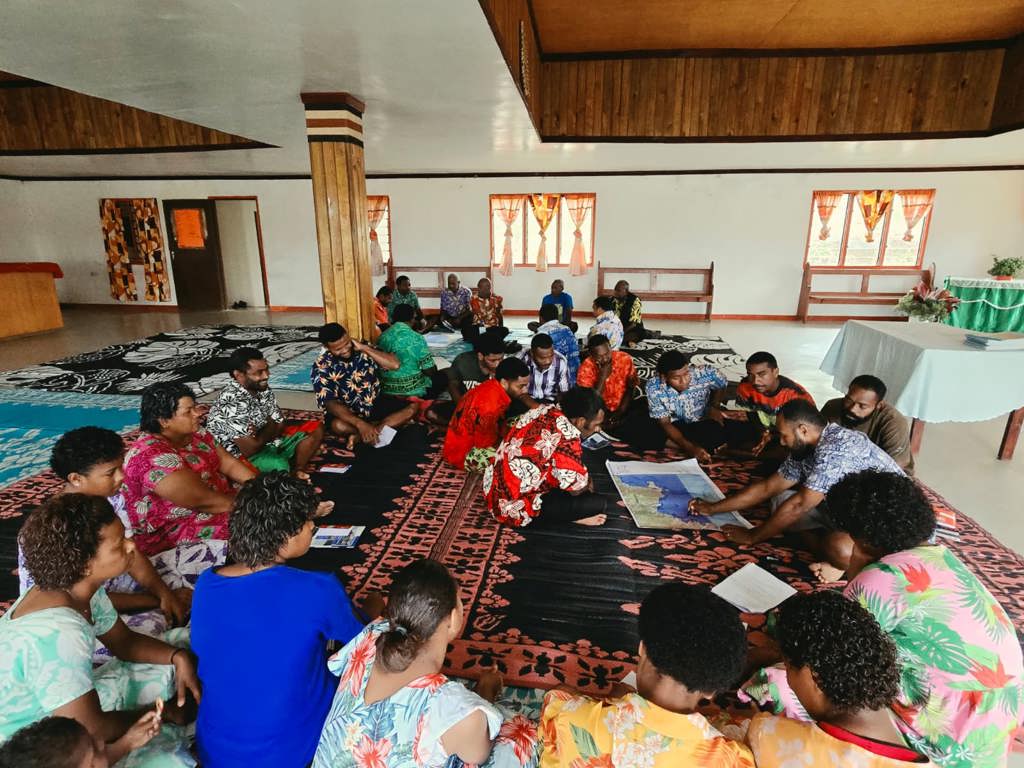
It was encouraging to see how much participants learned during the awareness-raising sessions. Many expressed interest in understanding more about corals and how everyday practices affect reef health. The dialogue highlighted the importance of community stewardship and the value of combining traditional knowledge with scientific tools.
"This workshop opened our eyes to just how fragile and vital our coral reefs really are. Seeing how fully the community engaged in the discussion, and how knowledgeable they became about coral reefs, was truly encouraging. The training deepened their understanding of practical tools to protect what we love, and it inspired a lasting commitment to conservation of the coral habitat," - Asaeli Tamanitokula, Provincial Conservation Officer, Bua Province
Continuing the Learning Journey
During the session, WCS Fiji share the GEF CRR free online learning courses, encouraging participants to continue building their knowledge beyond the workshop at their own pace. By connecting community members to these resources, WCS Fiji hopes to sustain the momentum built during the sessions and support a growing network of informed reef stewards.
Learn more about the climate resilient coral reefs in Fiji and the work of the GEF Coral Reef Rescue Project.
About the Coral Reef Rescue Project
The Coral Reef Rescue Project is a US$7m project supported by the Global Environment Facility to build capacity and solutions that ensure the long-term survival of climate refuge coral reef ecosystems and the communities that depend on them. The project is implemented by the World Wildlife Fund and executed by The University of Queensland in partnership with Wildlife Conservation Society (Fiji, Madagascar, Solomon Islands), Yayasan Reef Check Indonesia, Palawan Council for Sustainable Development (The Philippines) and Marine Parks and Reserves Unit (Tanzania).
Free Online Resources for Coral Reef Conservation
Complementing the work in each country, the GEF 7 CRR project has released free online courses on coral reefs. These include Coral Reefs: Introduction to Challenges and Solutions, Coral Reefs: Sustainable Blue Economy, Coral Reefs: Data and Monitoring, Coral Reefs: Climate Resilient Communities. Courses are available in English, Bahasa Indonesian, and French. Alongside these courses, a new online decision support tool was created: Coral Reef Rescue Portal. This brings together over 70 existing coral reef datasets and resources in one easy-to-use, searchable platform.
.jpg)