Building Community Harmony through Stewardship
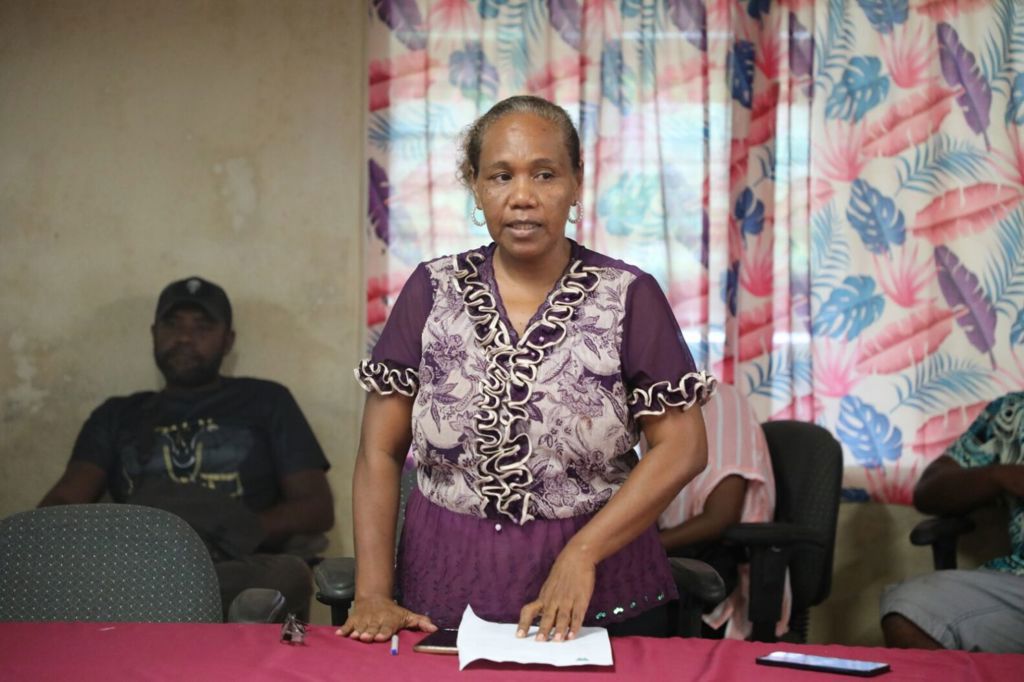
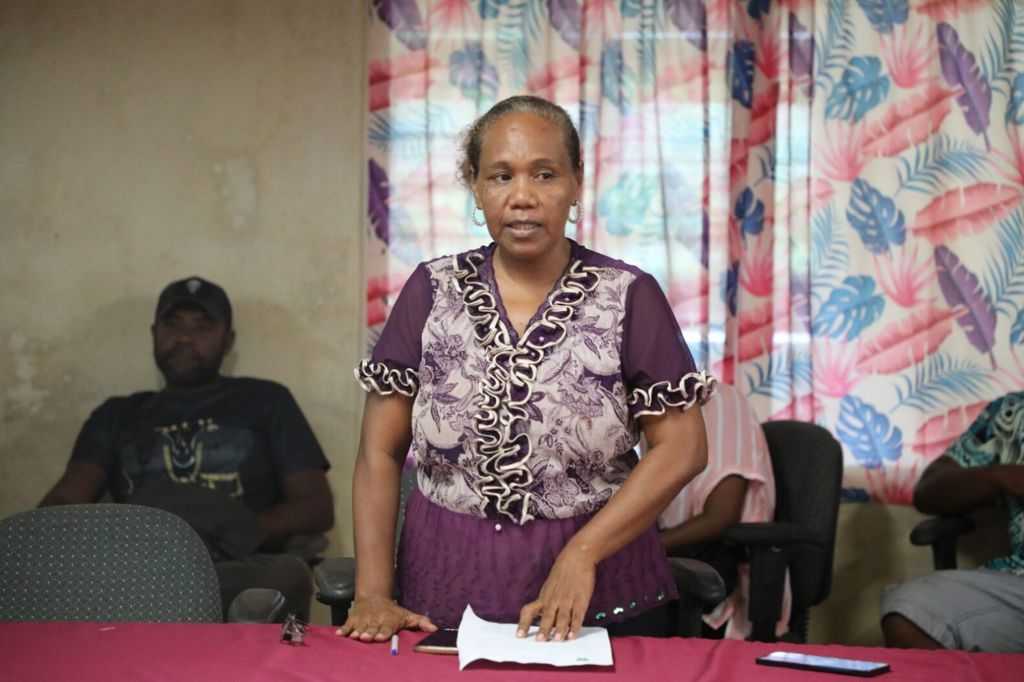
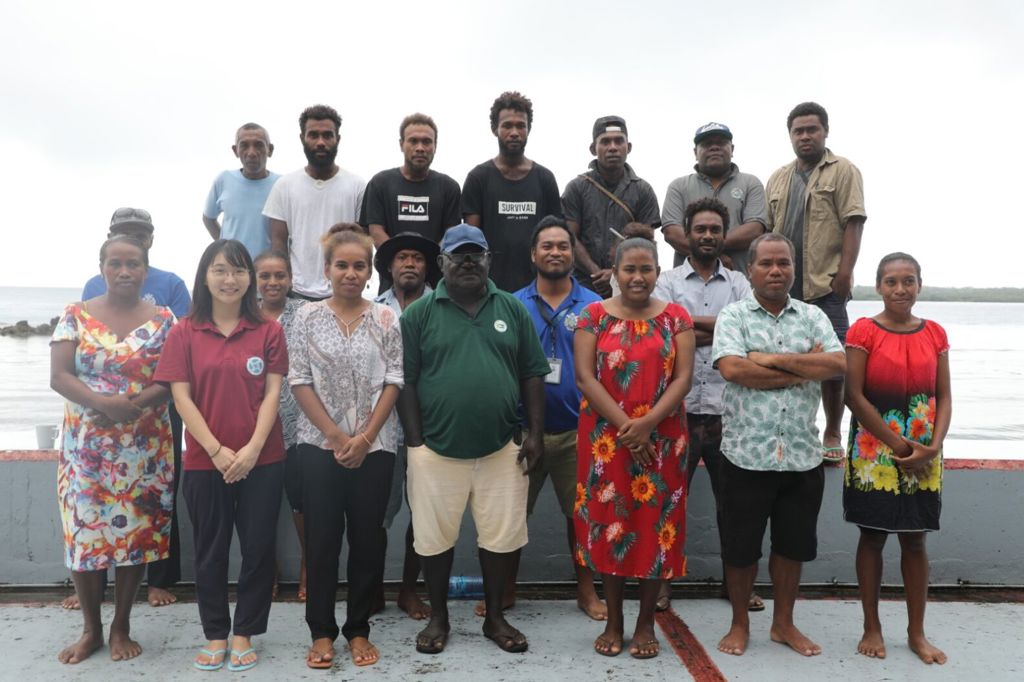
Community consultations in Solomon Islands with local communities provide a platform for all community voices.
Home to one of the largest standalone corals in the world, the stunning coral reefs of Solomon Islands are facing unprecedented threats. Long known for their extensive coral reef system, the fringing reefs, barrier reefs, patch reefs, and atoll reefs of the Solomon Islands are at risk. These reefs are an integral part of the country’s marine biodiversity and are a cornerstone of its economy, supporting local fisheries and marine tourism-related activities. However, these vibrant reefs face severe threats from climate change, overfishing, and pollution. The Coral Reef Rescue Project is now working with local and national representatives to safeguard their future.
To address these challenges, a collaborative effort, driven by the collective input of local communities and stakeholders in Solomon Islands, forms the foundational basis of the Global Environment Fund’s Coral Reef Rescue: Resilient Reefs, Resilient Communities Project (GEF7 CRR). This global, multi-stakeholder partnership aims to protect the health of coral reef ecosystems in the face of climate threats. Within the project’s scope, each of six countries (Fiji, Indonesia, Madagascar, Philippines, Solomon Islands and Tanzania) will develop a country-specific National Action Plan tailored to its own country context.
The National Action Plan for Coral Reef Conservation in Solomon Islands aims to strengthen the resilience of coral reef ecosystems. This project aims to ensure the long-term survival of the reefs and support the blue economies that form the backbone of food security and livelihoods of people in Solomon Islands.
The methodological approach to developing this comprehensive Plan is informed by the practical experiences and knowledge of local communities and stakeholders. Such an undertaking underscores the importance of integrating traditional knowledge, incorporating community visions and aspirations, promoting gender equality and empowering local communities.
A critical finding from the consultations highlighted the nature of community harmony and shared stewardship, in contrast to conflicts arising from resource ownership.
"Some experiences clearly demonstrated that conflicts arising from resource ownership pose a significant threat to reef harmony. To safeguard the future of the Solomon Islands' coral reefs, the National Action Plan must articulate that communities are stewards of these vital marine resources. This fundamental shift towards shared stewardship is essential to promote unity, build resilience, and foster collective responsibility for our precious marine environment,"
said Ms Gloria Siwainao from the Malaita Provincial Environment Health Division.
As such, it is advocated that the National Action Plan designate communities as stewards, rather than outright owners of these marine resources.
This proposed strategic approach is expected to promote unity, enhance resilience, and foster a collective sense of responsibility for the marine environment.
“The consultation served as a learning session during which we identified threats and opportunities, as well as discussed potential strategies for sustainably managing our resources, particularly coral reefs. The consultation provided a platform for us to share our voices, who rely heavily on coral reefs for sustenance,”
stated Mary Rakeli, a representative from Kubolota community.
“It was truly inspiring to listen to the diverse voices of the local community, whose deep-rooted connection to their resources remains vibrant and unwavering”,
remarked Mr Christian Manepolo from WCS. Something we can all learn from and will integrate into the National Action Plan.
This collaborative effort was conducted in partnership with the Ministry of Environment, Climate Change, Disaster Management and Meteorology (MECDM) and the Ministry of Fisheries and Marine Resources (MFMR).
As featured on IW Learn - Building Community Harmony through Stewardship
.jpg)