Communication workshops spark novel ideas for coral rescue
Over recent months National Hub teams from Fiji, Indonesia, Madagascar, Solomon Islands and Tanzania, spent three days learning principles for designing communication and engagement for social change as part of the GEF Coral Reef Rescue: Resilient Coral Reefs, Resilient Communities Project.
Among the project goals is facilitating communication and awareness of the significance of climate refuge reefs in key countries. National hubs are an important mechanism for this, so the project also aims to help Hubs develop communications strategies to support behavioural change.
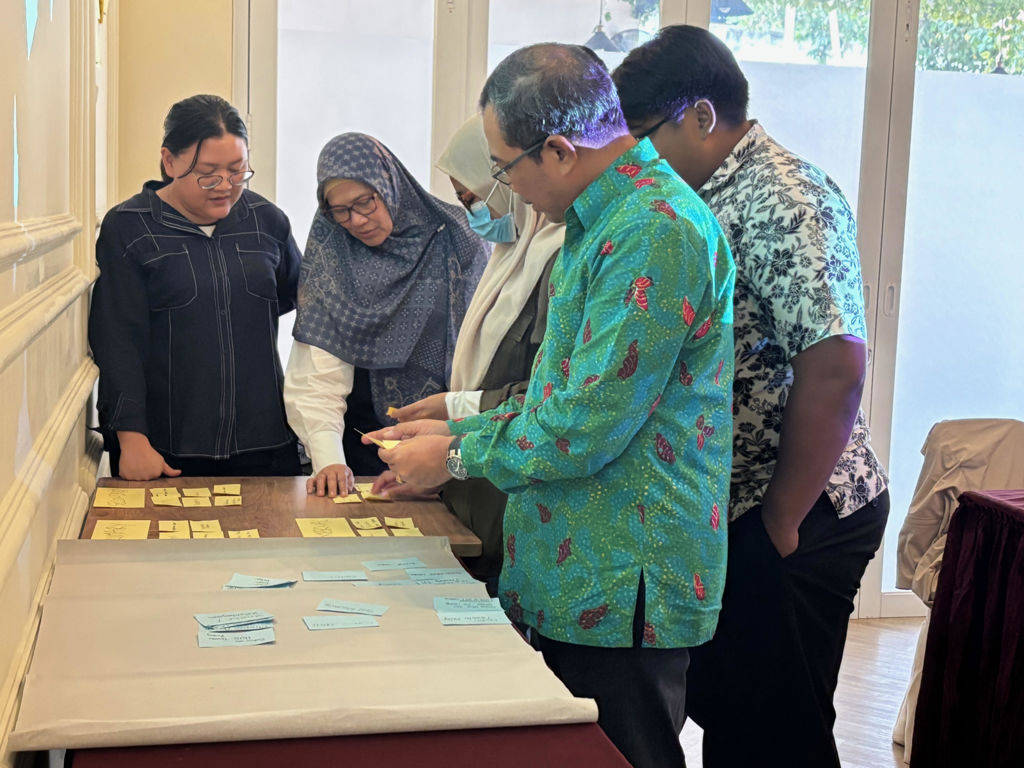
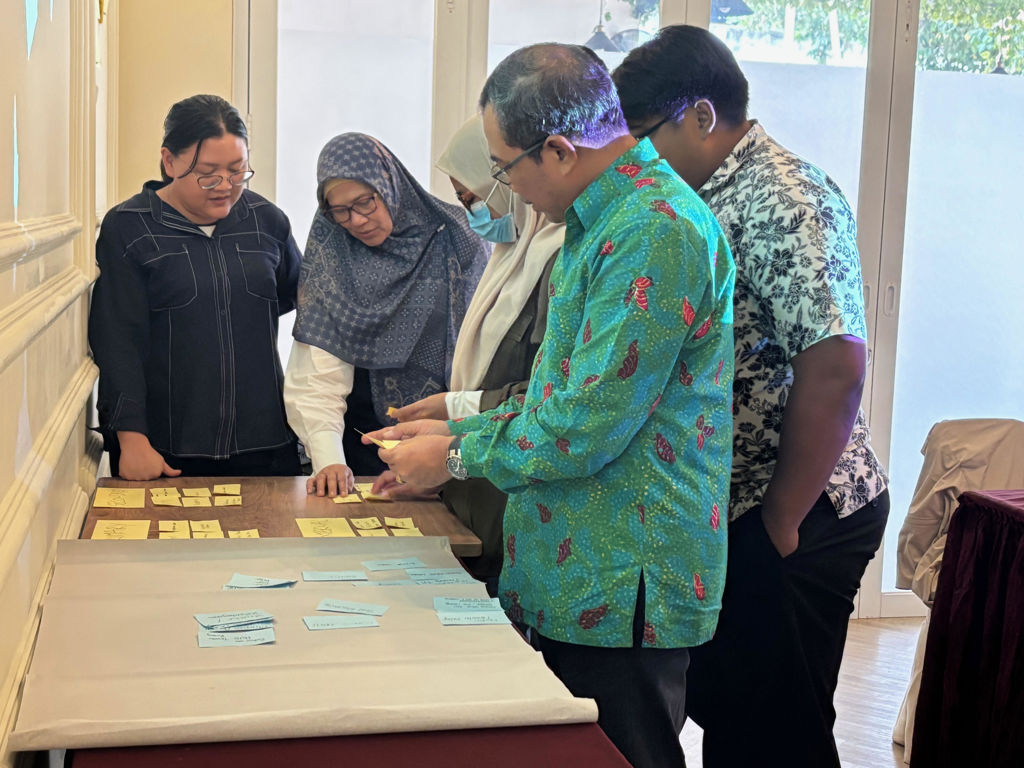
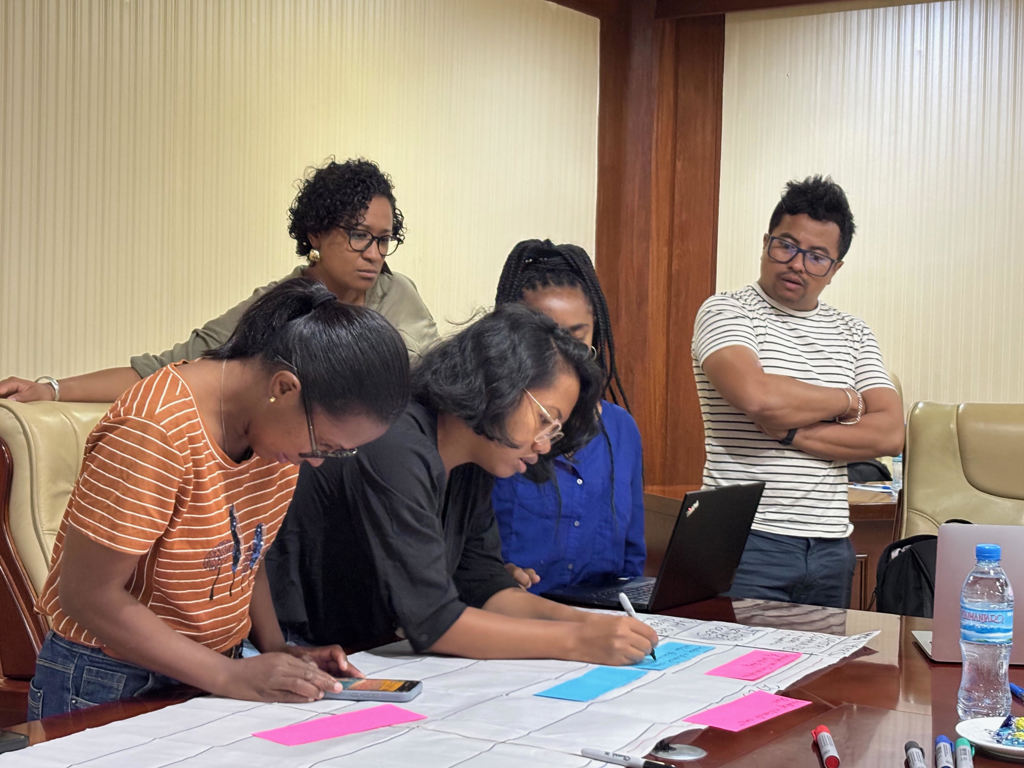
Workshops in Bogor, Indonesia, Suva, Fiji (with participants from Fiji and Solomon Islands) and Dar es Salaam, Tanzania (with participants from Tanzania and Madagascar), between February and May were designed to help country teams and government partners develop communication and engagement strategies.
The workshops were led by The University of Queensland (UQ) Centre for Communication and Social Change and introduced participants to strategic and creative methods for engaging coral reef communities.
On the first day workshops introduced principles of communication for social change and communication strategy design. National Hub teams mapped the communication ecosystem for their country and analysed the communication needs of stakeholders. This work informed the second day, when teams envisioned preferable futures and developed stakeholders as characters who were empowered to drive change. They created storyboards and were encouraged to reframe values and conditions to thinking creatively about engagement.
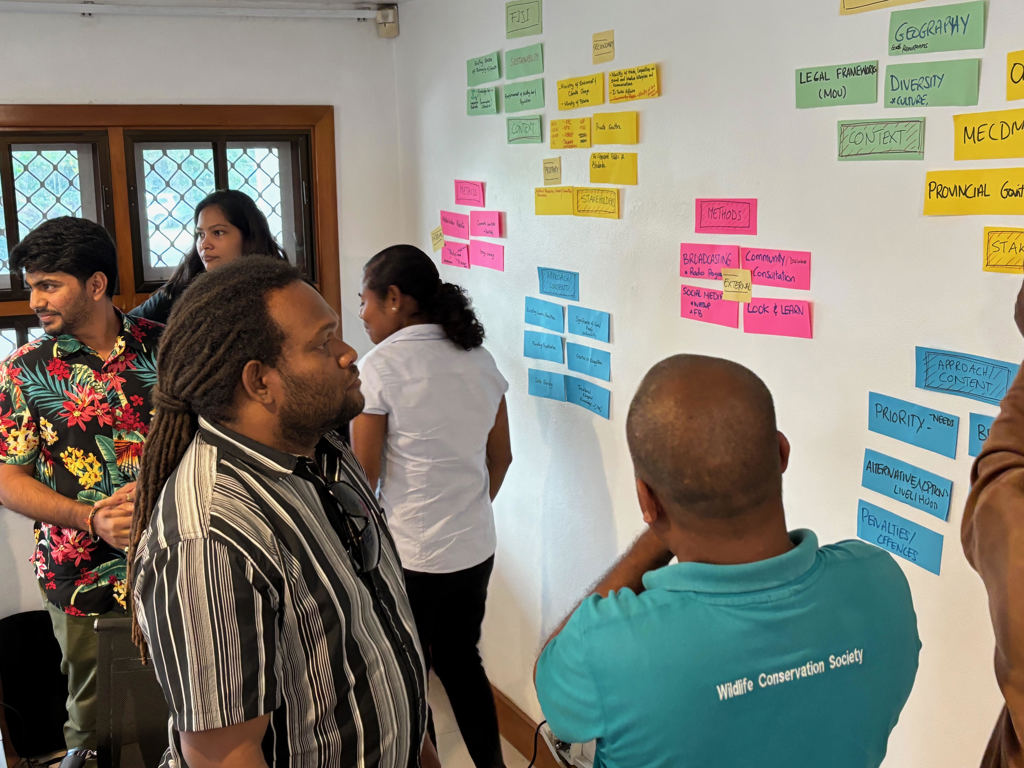
The third day focused on operationalising insights and ideas from the previous two days. Teams began developing communication and engagement strategies for their National Hubs and drafted work plans for the coming year.
For many teams, the workshops offered a valuable opportunity not only to work in-person with Hub members but to learn from other country teams. In Dar es Salaam, teamwork encouraged
“The sharing of experiences and the exchange of diverse points of view. It allowed for a deeper exploration of the topics”.
Deep analysis of stakeholders and the reframing technique were among the techniques the teams found the most valuable as they helped the participants see issues from new perspectives and envision novel responses.
For instance, the Solomon Islands team was concerned about the unsustainable practice of coral harvesting by communities who see the reefs as an essential resource for creating land and housing. By reframing the issue, they saw an opportunity for alternative messaging: conservation as the sustainable use of coral,
“Start replanting so you can use it in future to build artificial islands”.
In Bogor participants said the methods helped them
“Gain a deeper understanding of the diverse perspectives of stakeholders, their roles, habits, interests, and fears.”
Other teams noted the benefits of imagining future scenarios for both the environment and society. For example, in Suva,
“We explored how different communication approaches—such as hopeful messaging, community voices, and indigenous knowledge—can shift public perception from crisis to opportunity”.
The Solomon Islands Government said outcomes of the workshop were expected to provide the National Hubs in Fiji and the Solomon Islands “with clear, actionable strategies to engage stakeholders effectively and communicate the critical importance of coral reef conservation within the broader context of environmental protection and climate resilience”.
The UQ team – Elske van de Fliert and Skye Doherty – alongside the Project Management Unit, will continue to foster engagement across the different countries through online, topic-focused discussions, as the benefit of sharing experiences and tackling issues together was notable. UQ will also work with National Hubs over coming months to refine their communication and engagement strategies.
As featured on IW Learn https://iwlearn.net/news/communication-workshops-spark-novel-ideas-for-coral-rescue
.jpg)