EU Project Day - Madagascar
By Heriniaina Hajannie Razafimandimby, WCS
Raising Awareness of Marine Conservation at EU Projects Day
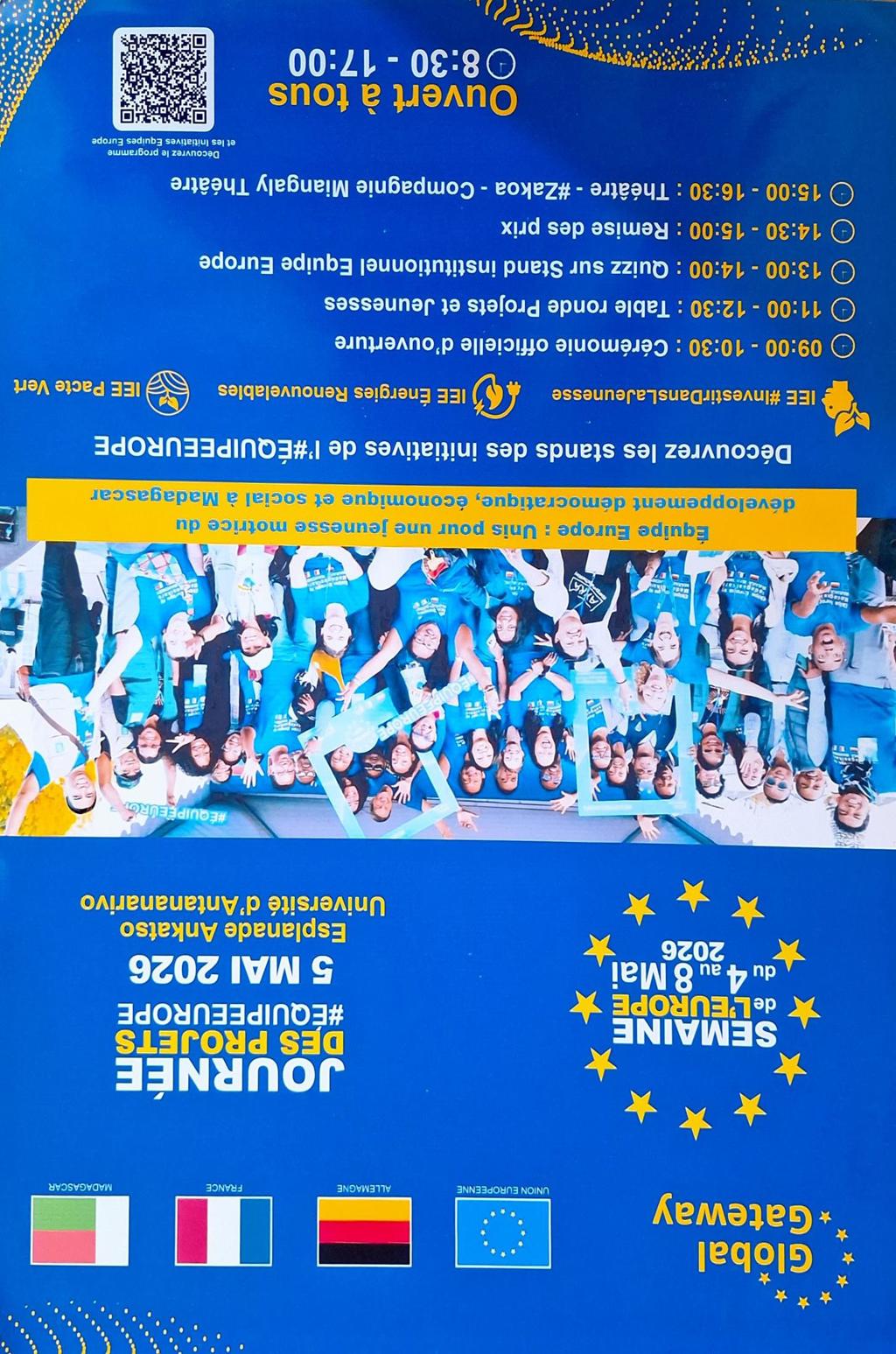
On 5 May 2026, WCS Madagascar took part in an awareness raising and career orientation activity by hosting a stand dedicated to youth employability at the esplanade of the University of Antananarivo, during the #TeamEurope Project Day (#EQUIPEEUROPE). This annual event, organised around European Union-funded initiatives, focused this year on promoting youth employability through development and conservation projects supported by the EU.
The objective of WCS Madagascar's participation was to introduce students to the organisation's mission and conservation work, while highlighting opportunities for training, internships, and career pathways in the field of marine conservation, with a particular emphasis on coral reef protection as part of the GEF funded Coral Reef Rescue Project.
Internships and Employment Opportunities in Marine Conservation
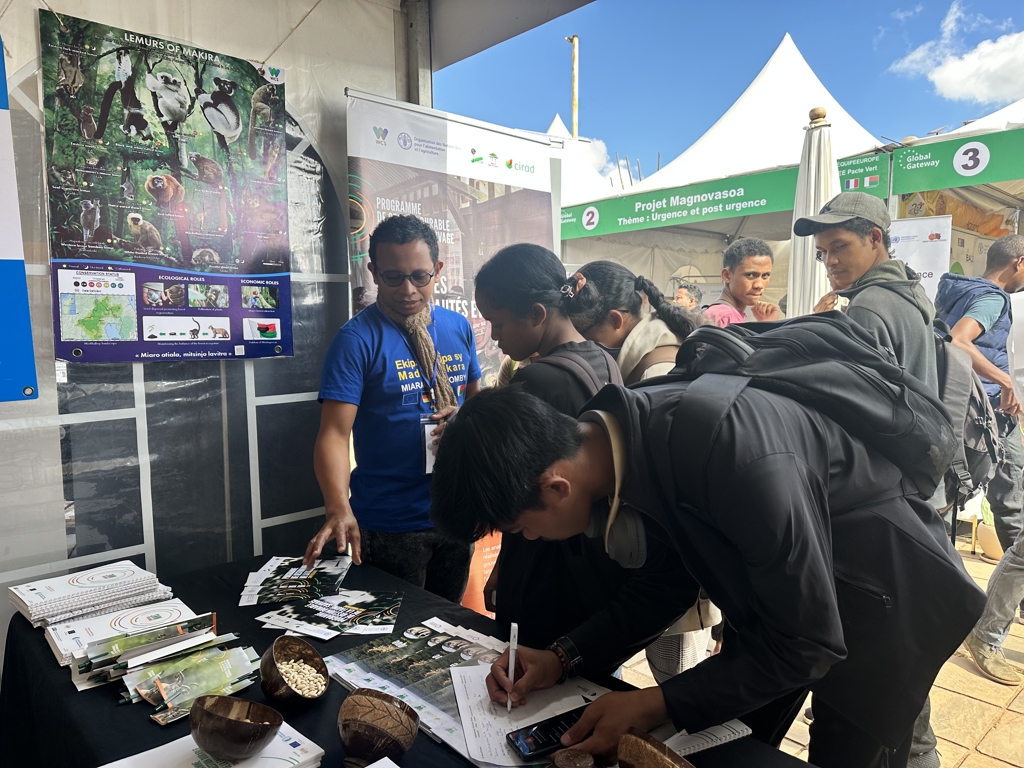
Approximately 300 students visited the WCS Madagascar stand throughout the day to learn more about the organisation's areas of intervention and to explore possibilities for professional engagement, especially through internships. The activities at the stand included a series of information sessions presenting WCS Madagascar and its conservation portfolio. Special attention was given to the Sustainable Wildlife Management (SWM) Programme. The SWM Programme was showcased as a concrete example of how biodiversity conservation, sustainable development and employment opportunities can be closely linked.
Heriniaina Hajannie Razafimandimby, WCS Communications Manager highlighted the value of this event: "EU Projects Day provided an eye-opening experience to many students on how biodiversity and careers could be intertwined. It was also a wonderful opportunity to showcase the free online tools and resources available to students to explore, in particular those focused on coral reef ecosystems and their value to local communities and economies."
Discussions also covered WCS Madagascar's work across its three priority seascapes and landscapes — in the north-west, north-east and southern regions of Madagascar. These exchanges were adapted to the interests and academic backgrounds of the students, taking into account their fields of study, their interest in field-based work or specific conservation themes, as well as their long-term professional aspirations.
Free Online Training Resources
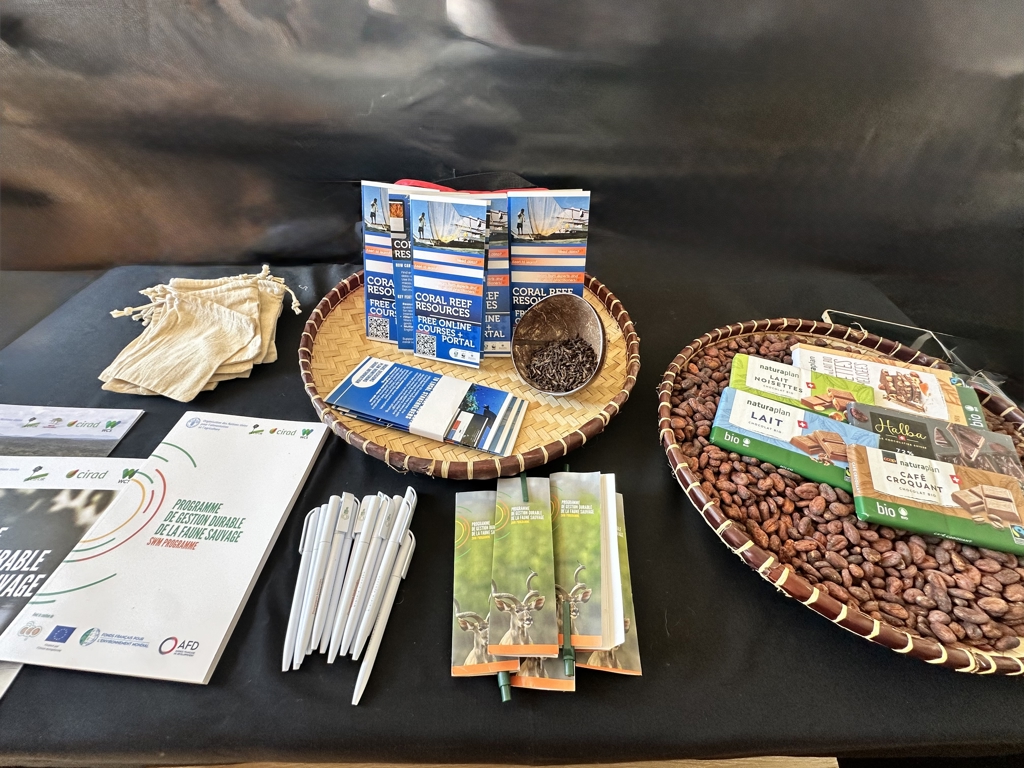
Interactive discussions at the stand provided an opportunity to present online training opportunities, including the GEF funded Coral Reef Rescue Project online courses, as well as the different types of internships available within WCS Madagascar. Career development pathways within the organisation were also discussed, along with broader employment opportunities in the marine conservation sector. These exchanges helped demonstrate that coral reef conservation is not only critical for biodiversity and ecosystem health but also serves as a driver of sustainable job creation.
Through these information and engagement activities, participants were sensitised to the importance of coral reef conservation, which is one of WCS Madagascar's priority conservation targets. Direct interactions with WCS staff strengthened students' understanding of the links between marine ecosystem protection, skills development, and professional opportunities. Young people were encouraged to introduce themselves, express their interest in marine conservation, and consider potential career paths in this field.
Current Challenges for Students Choosing Careers in Marine Conservation
The discussions also highlighted several challenges faced by students, particularly the high costs associated with field missions in remote areas, which can limit access to practical experience for those with limited financial means. In this context, online training courses were widely perceived as a relevant and accessible alternative, especially as students now benefit from improved internet access on university campuses. During the event, internet access made available at the stands allowed students to directly explore the online course platforms, further increasing their interest in digital learning opportunities.
Feedback from participants revealed a growing interest in conservation issues, particularly coral reef conservation, as well as a better understanding of the training and employment opportunities linked to this sector. Several students expressed their appreciation for discovering that coral reefs are major conservation targets and that their protection can generate new and meaningful career opportunities that were previously little known. Participants also emphasised the importance of direct engagement and outreach activities that bring organisations closer to young people within their learning environments.
From WCS Madagascar's perspective, the event provided valuable insights into young people's expectations, interests and concerns related to employability in the marine conservation sector. These exchanges enabled the organisation to better understand the types of opportunities that resonate most with students and to identify areas where further support and information are needed. The experience will help inform and strengthen WCS Madagascar's future outreach, training, and youth engagement initiatives, contributing to the long-term goal of building a skilled and motivated new generation committed to coral reef conservation in Madagascar.
About the Coral Reef Rescue Project
The Coral Reef Rescue (CRR) Project, funded by the Global Environment Facility (GEF 7) is a government driven initiative through the Ministry of Fisheries and the Blue Economy. Implementing partners include the World Wildlife Fund (WWF-US), with the University of Queensland (UQ) as the Lead Executing Agency, and the Wildlife Conservation Society (WCS) as the National Technical Facility in Madagascar (in-country lead).
The Coral Reef Rescue Project is a US$7m initiative funded by the Global Environment Facility to build capacity and solutions that ensure the long-term survival of climate refuge coral reef ecosystems and the communities that depend on them. The project is implemented by the World Wildlife Fund and executed by The University of Queensland in partnership with Wildlife Conservation Society (Fiji, Madagascar, Solomon Islands), Yayasan Reef Check Indonesia, Palawan Council for Sustainable Development, Philippines and Marine Parks and Reserves Unit, Tanzania.
Free Online Resources for Coral Reef Conservation
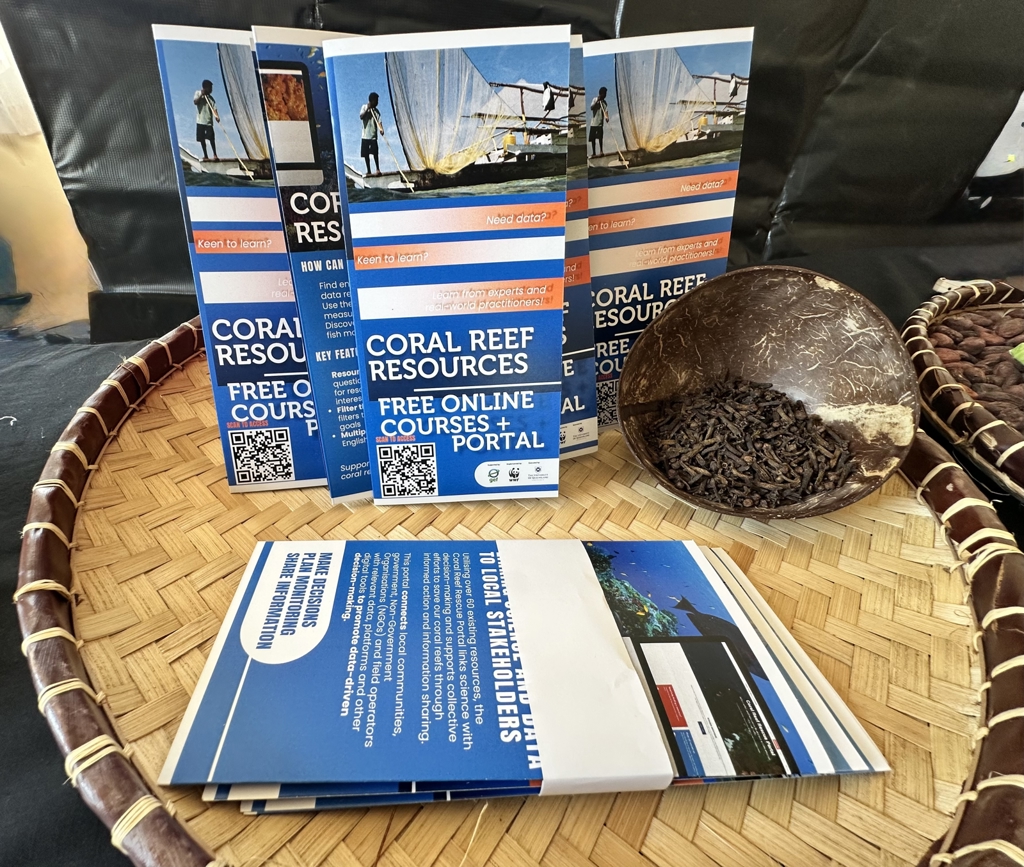
Complementing the work in each country, the GEF 7 CRR project has released free online courses on coral reefs. These include Coral Reefs: Introduction to Challenges and Solutions, Coral Reefs: Sustainable Blue Economy, Coral Reefs: Data and Monitoring, Coral Reefs: Climate Resilient Communities.
Alongside these courses, a new online decision support tool was created: Coral Reef Rescue Portal. This brings together over 70 existing coral reef datasets and resources in one easy-to-use, searchable platform.
.jpg)