New Coral Reef Rescue Portal to Empower Conservation Teams
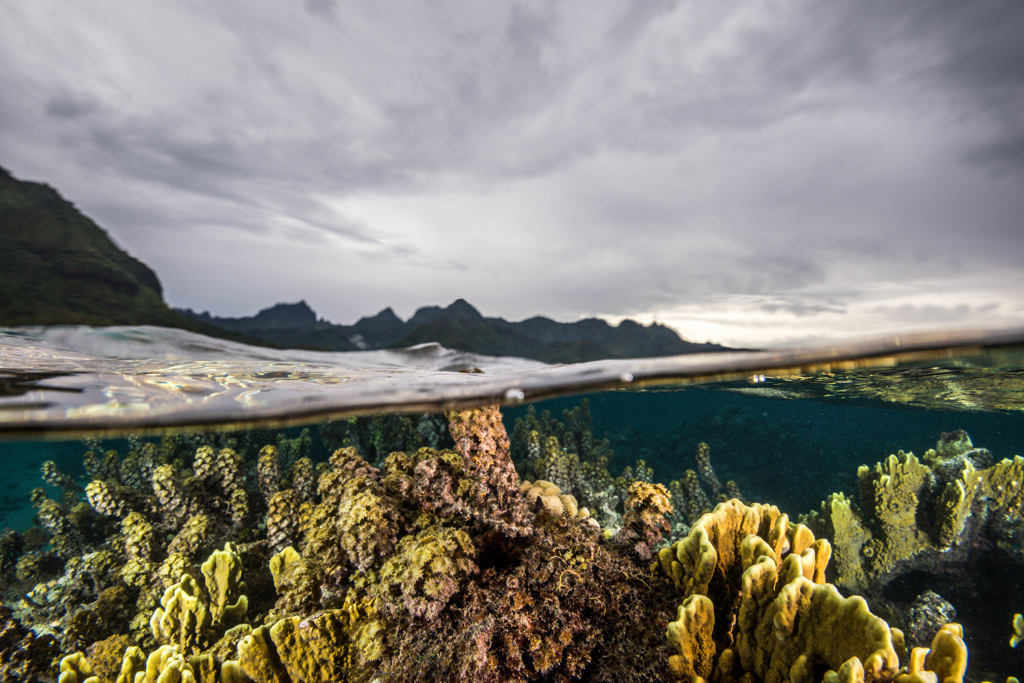
Coral reefs harbour the highest biodiversity of any ecosystem, making them one of the most biologically complex and valuable ecosystems on the planet. These precious ecosytems, which support over half a billion people globally through the provision of food, income, coastal protection and cultural practices, are now in crisis.
The global pressure of climate change, along with local human-induced pressures, are contributing to the rapid deterioration of coral reef ecosystems – jeopardising the lives of the millions of people who rely on these coastal resources.
Despite coral reefs being a vital part of our planet’s life-support system, only 2.5% of the world’s coral reefs are actively protected. To address this urgent challenge, the GEF 7 Coral Reef Rescue (CRR) Project aims to strengthen capacity locally to ensure the long-term survival of climate refuge coral reef ecosystems in Fiji, Indonesia, Madagascar, the Philippines, Solomon Islands, and Tanzania.
New Coral Reef Rescue Portal
As part of the GEF 7 CRR project, the University of Queensland has developed a publicly available online data platform. The Coral Reef Rescue Portal brings together over 70 existing coral reef datasets and resources in one easy to use platform. Designed to bridge the gap between science and on-the-ground conservation, it links governments, NGOs, local communities, and field operators with a curated listing of vital data and digital tools to support evidence-based decision-making and collaboration.
Melanie Johnson, University of Queensland, who developed this platform, explained: “This portal will be a valuable tool for coral reef conservation teams all around the world to manage, monitor, protect and learn about coral reefs. Conservationists have already highlighted how efficient the portal is for finding existing tools and information and how useful it will be for reef management.”
By offering insights into the physical, ecological, and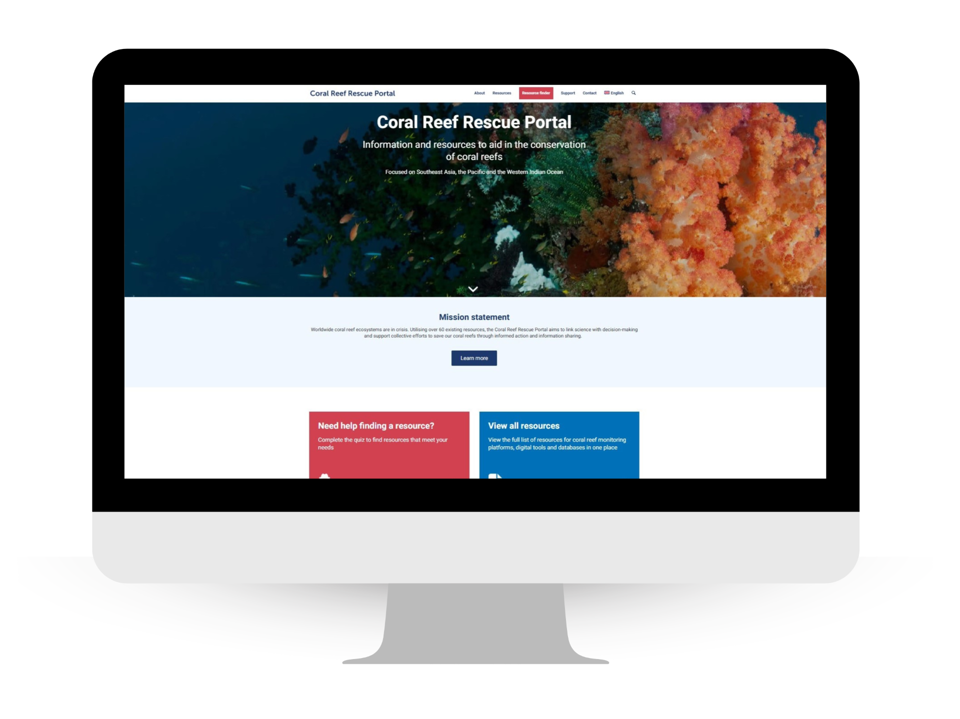 socio-economic trends of climate-resilient coral reefs and connected ecosystems, the portal equips conservation teams with the vital tools they need to conserve these precious environments.
Practitioners can use this new portal to find environmental and socio-economic data related to coral reefs, use the data to identify threats and measure reef health and discover tools to manage coral reef and fish monitoring data.
Key features of the portal
-
Resource finder: Answer a few simple questions to get personalised resources
-
Filter resources: Select appropriate filters to match the resources to your conservation goals
-
Multiple languages: Explore the portal in English, French or Indonesian
This innovative tool represents a significant step forward in global efforts to protect coral reefs and empower the communities that depend on them.
Jennifer Dunn, Project Manager at the GEF 7 CRR, added “This tool will help teams on the ground connect the latest science with conservation action happening right now. The Coral Reef Rescue Portal collates over 60 open-access tools, databases, and knowledge platforms into a single, user-friendly platform. For the first time, researchers, policy makers, and community practitioners can access the same body of evidence to guide coral reef management. By bringing this information together, the Portal helps turn fragmented knowledge into coordinated action – empowering the marine community to protect reefs more effectively and build resilience across regions most at risk from climate change.”
Complementing this new platform, the GEF 7 CRR project has released free online courses on coral reefs. These include Coral Reefs: Introduction to Challenges and Solutions, Coral Reefs: Sustainable Blue Economy, Coral Reefs: Climate Resilient Communities.
About the GEF 7 CRR project
The Coral Reef Rescue Project is a US$7m initiative funded by the Global Environment Facility to build capacity and solutions that ensure the long-term survival of climate refuge coral reef ecosystems and the communities that depend on them. The project is implemented by the World Wildlife Fund and executed by The University of Queensland in partnership with Wildlife Conservation Society (Fiji, Madagascar, Solomon Islands), Yayasan Reef Check Indonesia, Palawan Council for Sustainable Development, Philippines and Marine Parks and Reserves Unit, Tanzania.
.jpg)