Solomon Islands Communities Take Action to Restore Coral Reefs on Coral Triangle Day
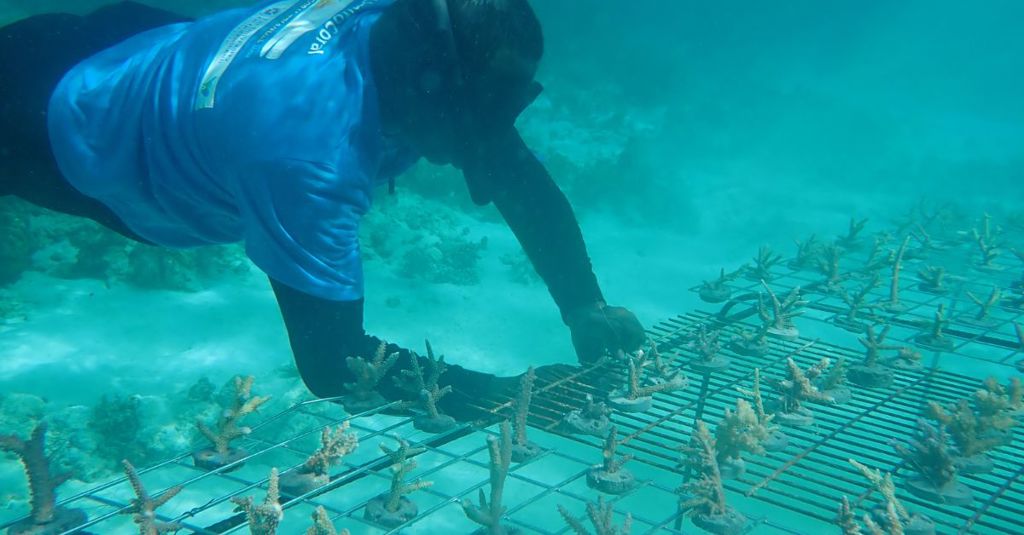
The Ministry of Environment, Climate Change, Disaster Management and Meteorology (MECDM) and the Ministry of Fisheries and Marine Resources (MFMR), in partnership with Wildlife Conservation Society (WCS) and the GEF 7 Coral Reef Rescue (CRR) Project, commemorated the Coral Triangle Day 09 June 2026 in Niu Uvu, Central province, Solomon Islands as part of an ongoing community learning initiative with an event focused on coral replanting.
The event brought together 31 participants from Nagotano and Niu Uvu communities for a hands-on coral replanting activity facilitated by MFMR with support from MECDM and WCS. The initiative is part of continued efforts to strengthen community capacity by equipping participants with practical skills to restore and safeguard coral reefs that are increasingly threatened by climate change, pollution, and unsustainable harvesting.
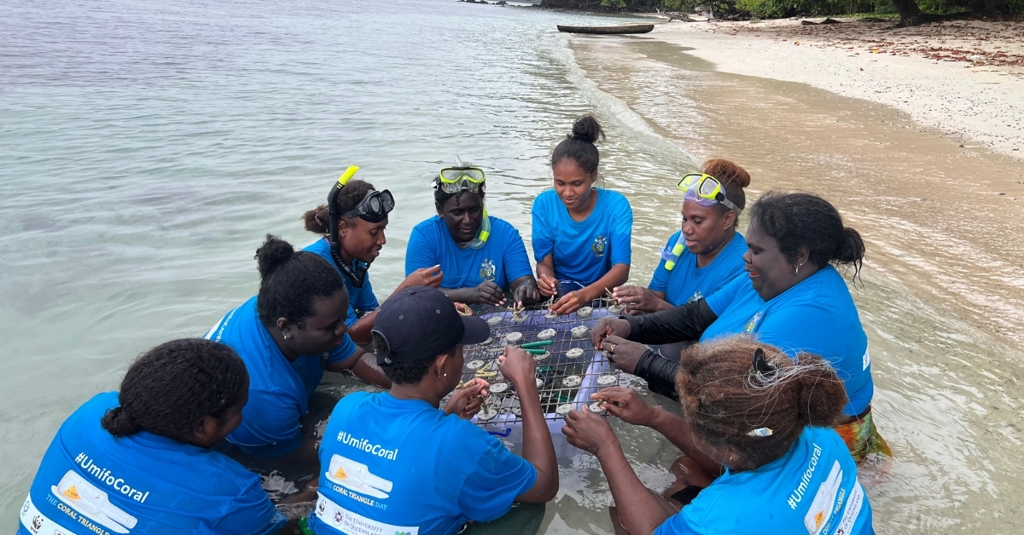
This community learning initiative provides a platform for collaboration and knowledge sharing, connecting communities, government agencies, and conservation partners. Through practical activities and open dialogue, it bridges scientific approaches with traditional knowledge systems, reinforcing the importance of collective and locally driven action in marine conservation.
Speaking at the event, Deputy Director of the Environment and Conservation Division, Mr. Trevor Maeda, emphasized the shared responsibility of environmental stewardship. “Looking after our resources is a collective responsibility” he said.
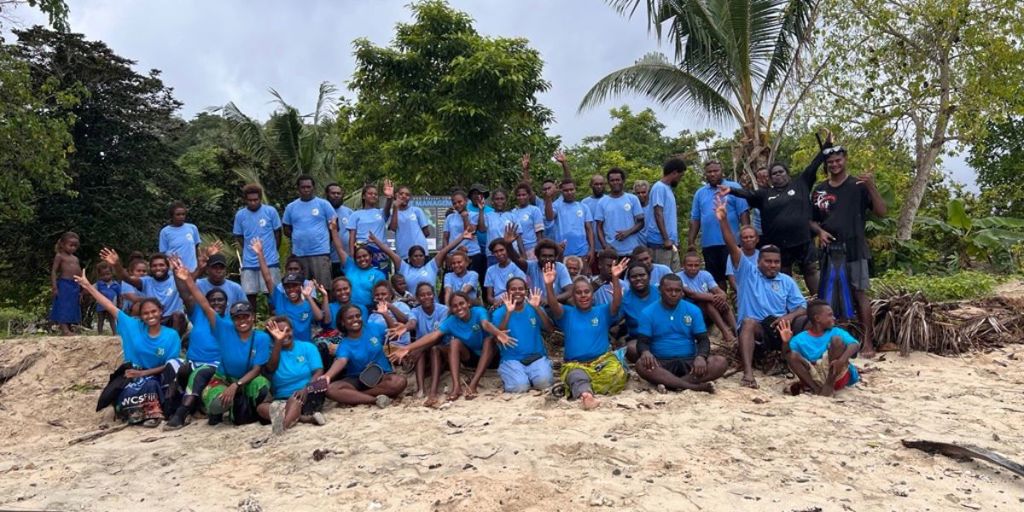
Youth participation remained strong, with 64 per cent of attendees being young people, reflecting growing interest and leadership in environmental conservation.
The Premier of Central Province highlighted the vital role of local communities in safeguarding marine ecosystems, particularly in areas where coral harvesting contributes to local livelihoods. “Let us be responsible stewards of our marine resources. Let us renew our commitment to manage and sustain our livelihoods,” he stated.
Deputy Director of Inshore Fisheries Division, Ms. Faye Siota, reinforced the link between ocean health and community wellbeing. “A healthy ocean is critical for us because it supports the organisms within it, which sustain the livelihoods of our communities”, she noted.
Participants expressed strong appreciation for the event and ongoing learning opportunities. One of the participants commented, “I really appreciate the focus of this program to restore the coral reef ecosystem, which is quite beneficial for our community. We need more of these hands-on learning opportunities for our coastal communities.”
This initiative is a government-driven initiative through the Ministry of Environment Climate Change and Disaster Management and Meteorology (MECDM) and the Ministry of Fisheries and Marine Resources (MFMR), supported by the Global Environment Facility (GEF 7) through the Coral Reef Rescue Project. The GEF Coral Reef Rescue project is implemented by the World Wildlife Fund for Nature (WWF-US), with the University of Queensland (UQ) as the Lead Executing Agency, and the Wildlife Conservation Society (WCS) as the National Technical Facilitator (NTF) in Solomon Islands.
About the Coral Reef Rescue Project
The Coral Reef Rescue Project is a US$7m Project funded by the Global Environment Facility to build capacity and solutions that ensure the long-term survival of climate refuge coral reef ecosystems and the communities that depend on them. The project is implemented by the World Wildlife Fund and executed by The University of Queensland in partnership with Wildlife Conservation Society (Fiji, Madagascar, Solomon Islands), Yayasan Reef Check Indonesia, Palawan Council for Sustainable Development, Philippines and Marine Parks and Reserves Unit, Tanzania.
Free Online Resources for Coral Reef Conservation
Complementing the work in each country, the GEF 7 CRR project has released free online courses on coral reefs. These include Coral Reefs: Introduction to Challenges and Solutions, Coral Reefs: Sustainable Blue Economy, Coral Reefs: Data and Monitoring, Coral Reefs: Climate Resilient Communities. Courses are available in English, Bahasa Indonesian, and French.
Alongside these courses, a new online decision support tool was created: Coral Reef Rescue Portal. This brings together over 70 existing coral reef datasets and resources in one easy-to-use, searchable platform.
.jpg)